
Best Things to Do in Jawai
Experience the best activities in Jawai from sunrise leopard safaris to dam viewpoints, village tours, birdwatching, and nature exploration.
What are the top things to do in Jawai?
The best things to do in Jawai are sunrise and sunset leopard safaris, Jawai Dam viewpoints, crocodile spotting, birdwatching, Rabari village tours, photography sessions, cave temples in the granite hills, off-road Jeep adventures, and stargazing. Jawai is famous for its wild leopards, calm water bodies, and unique human-wildlife harmony.
Top Activities and Things to Do in Jawai
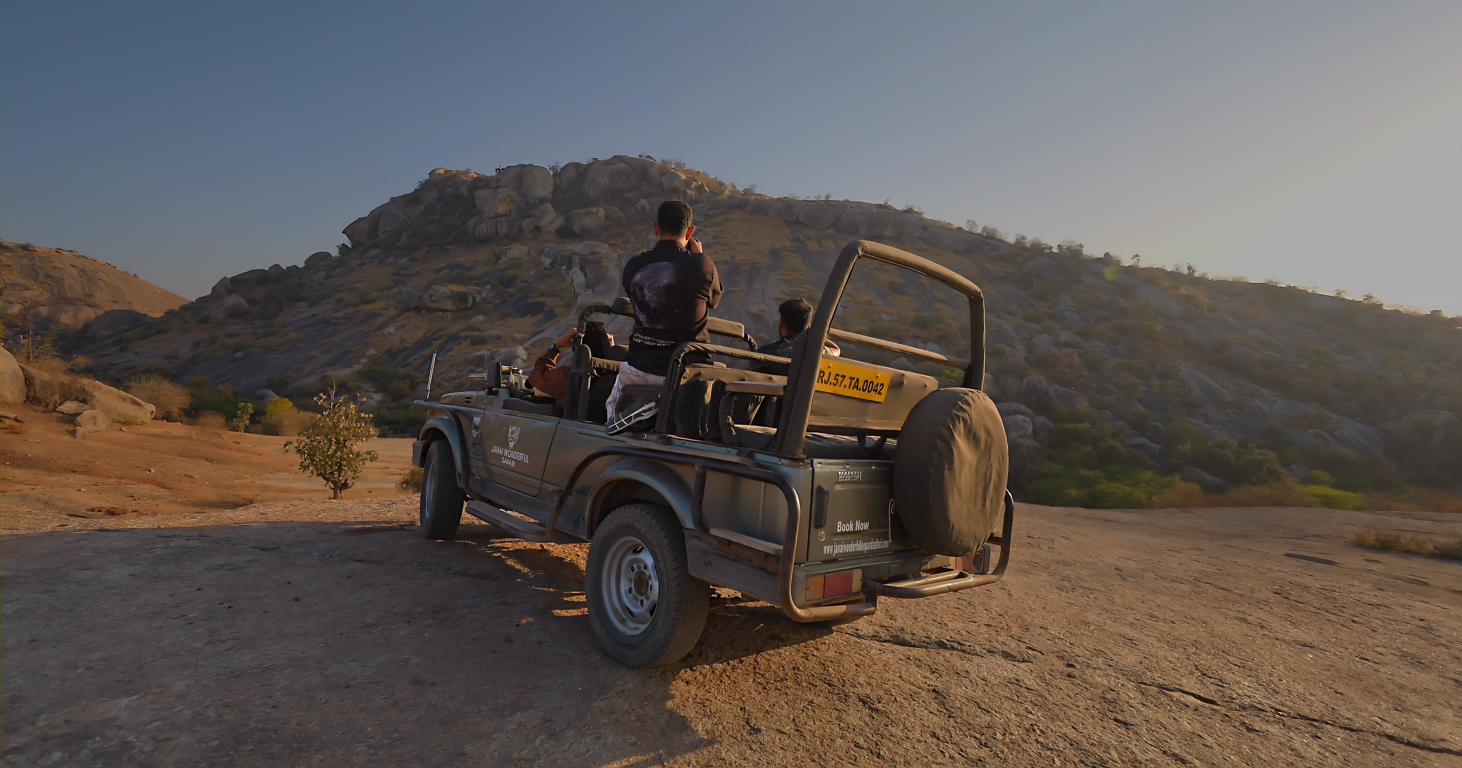
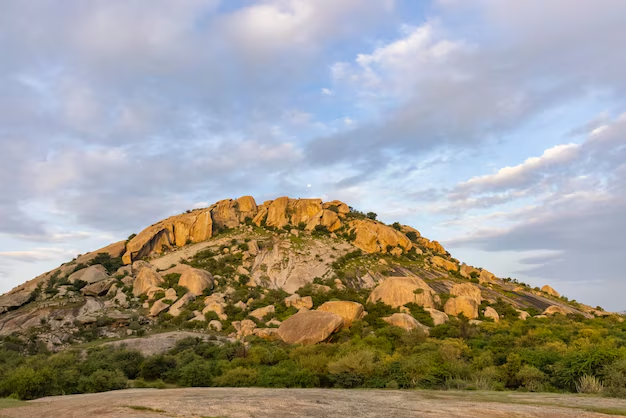
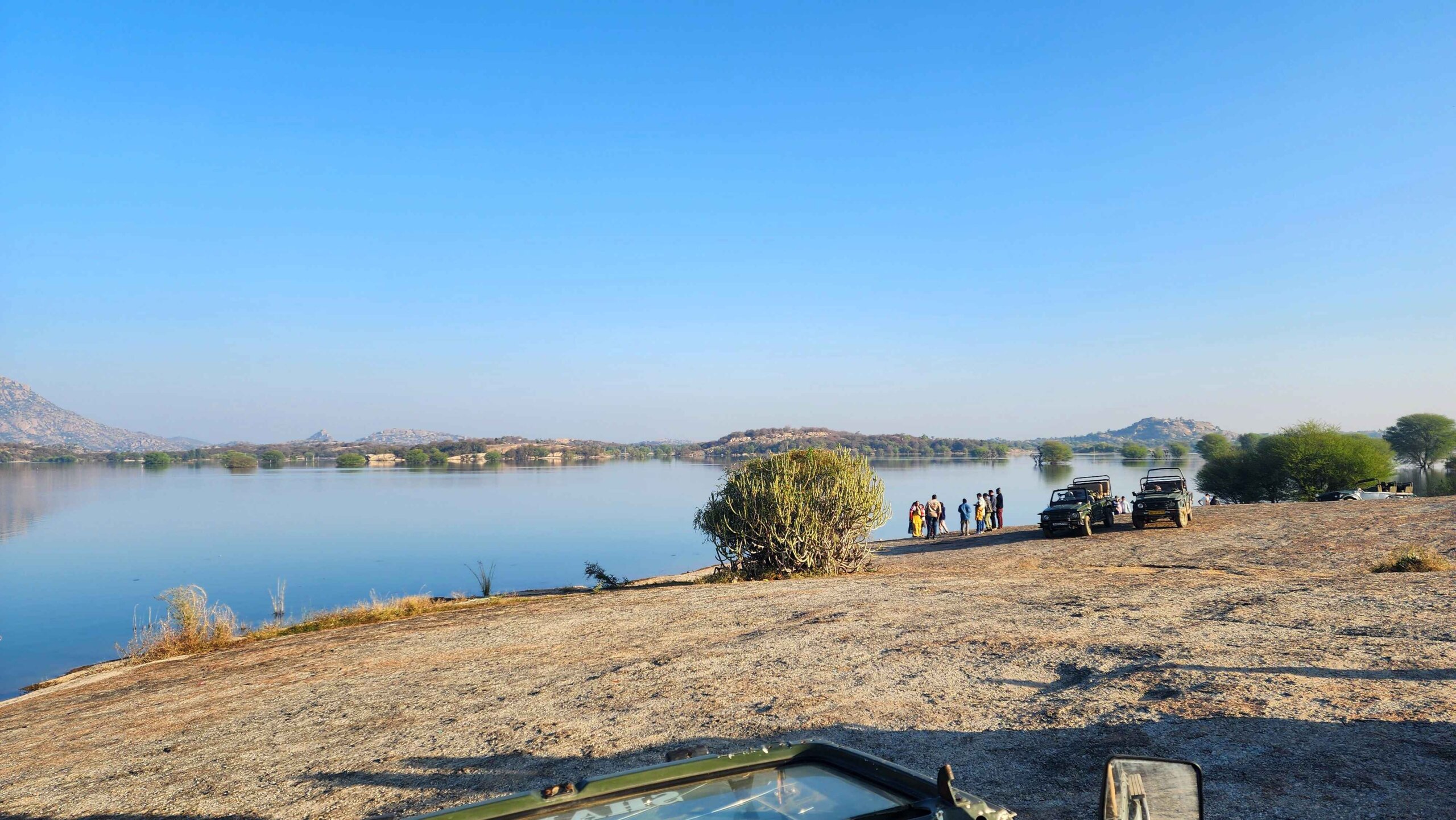
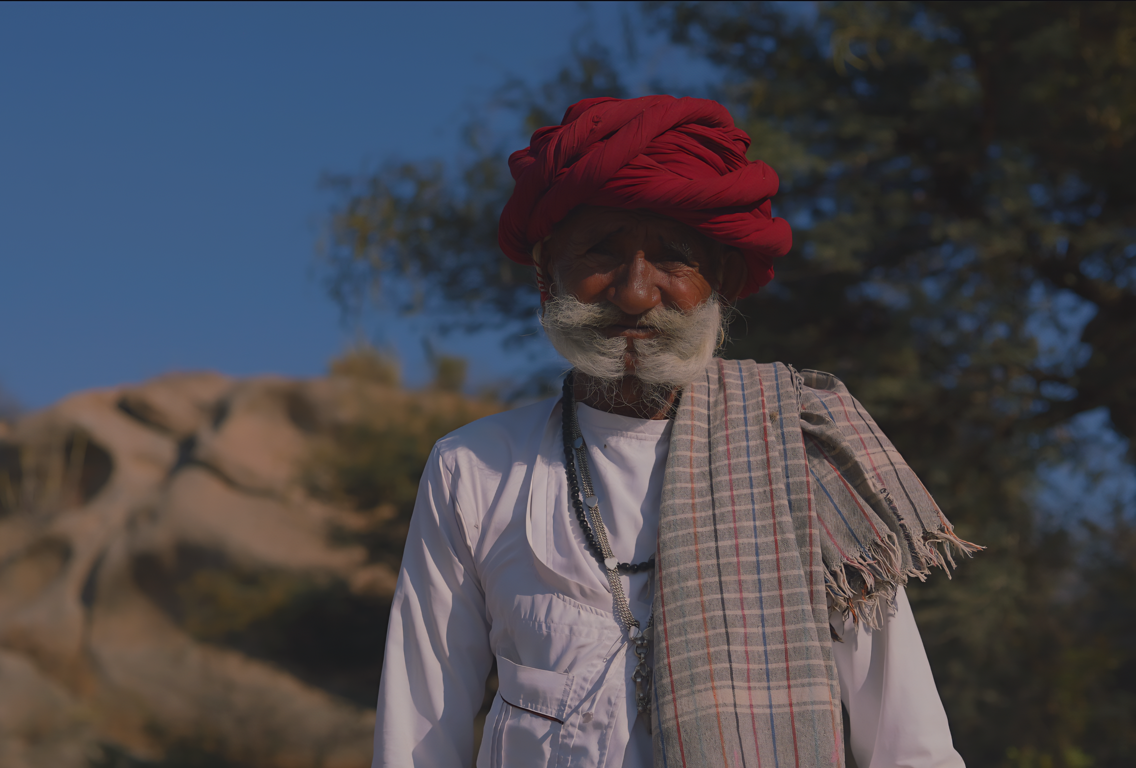
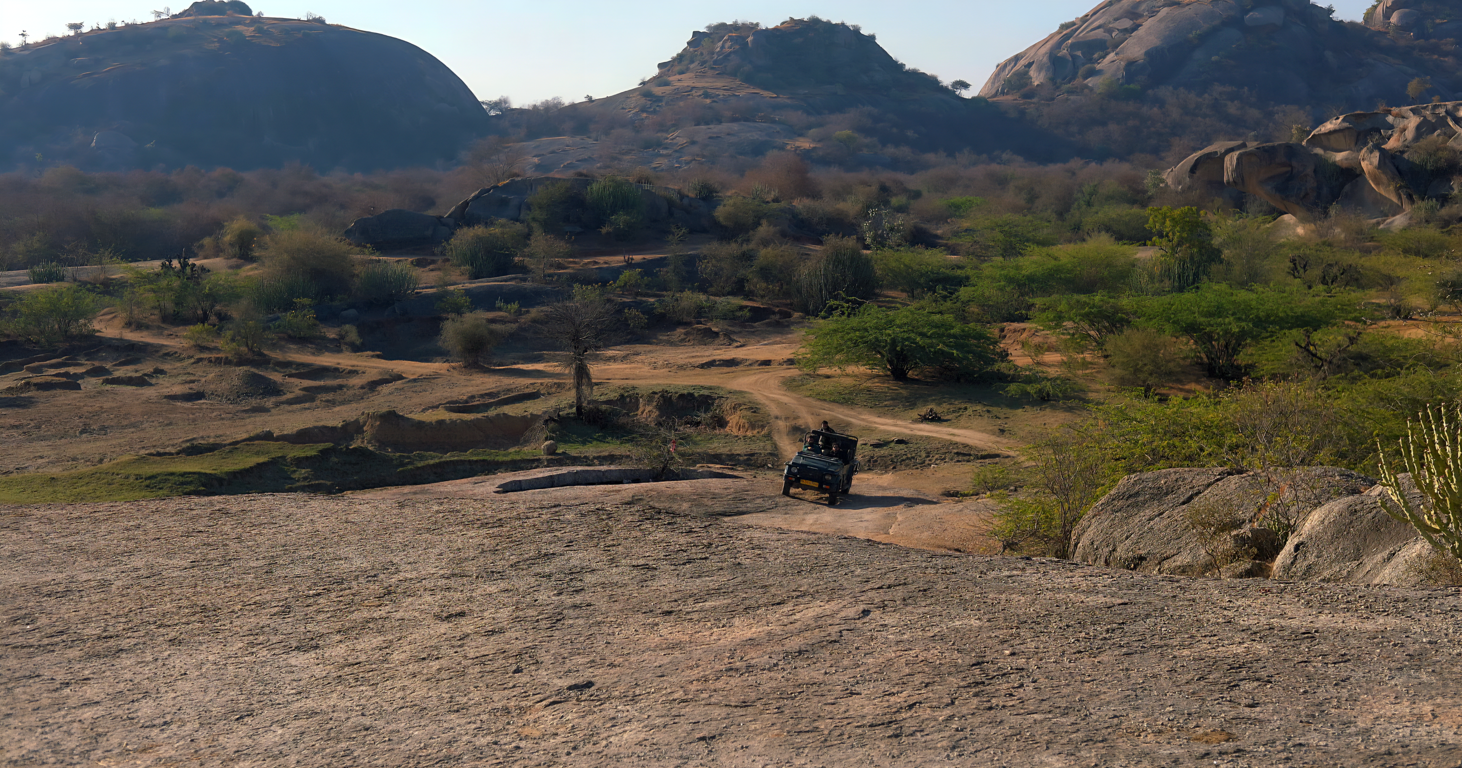
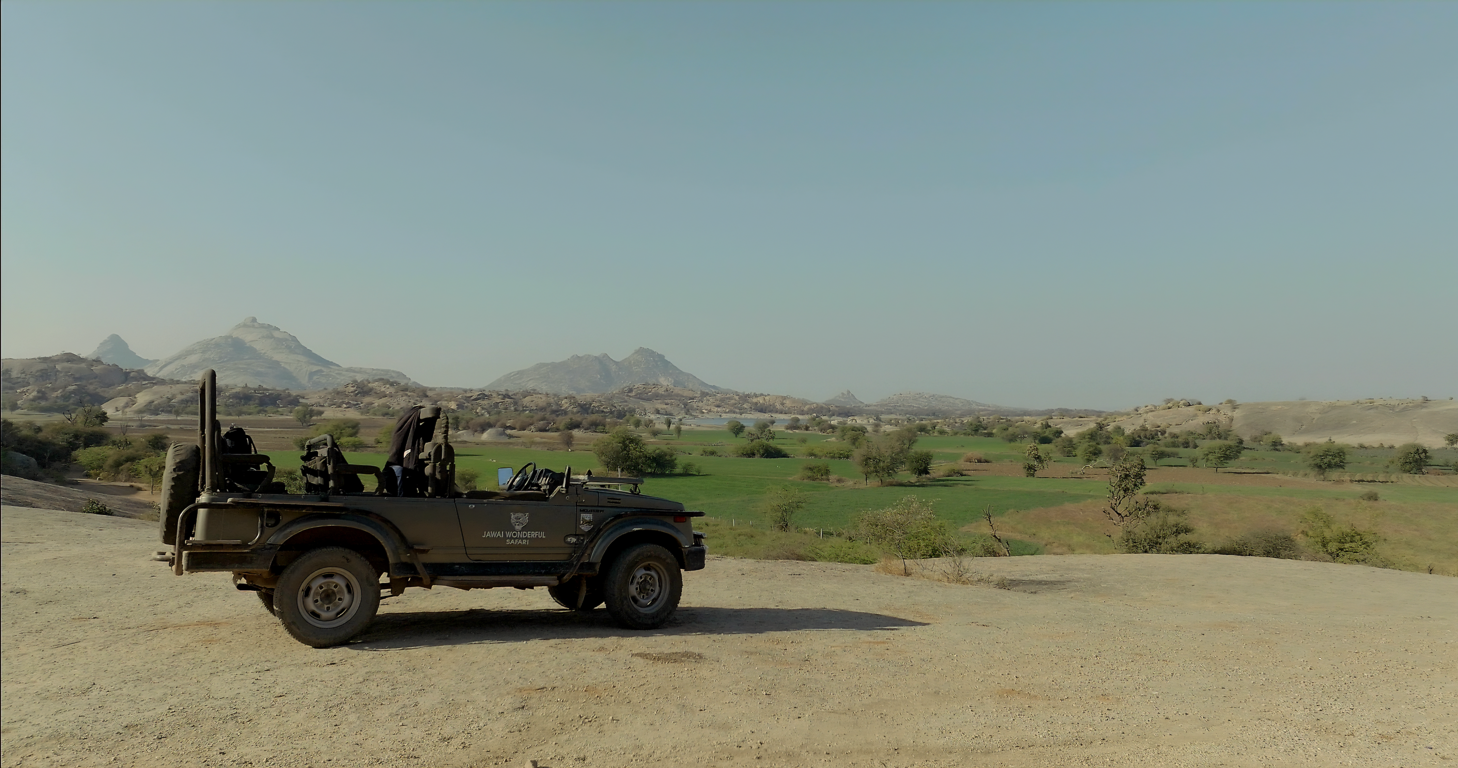
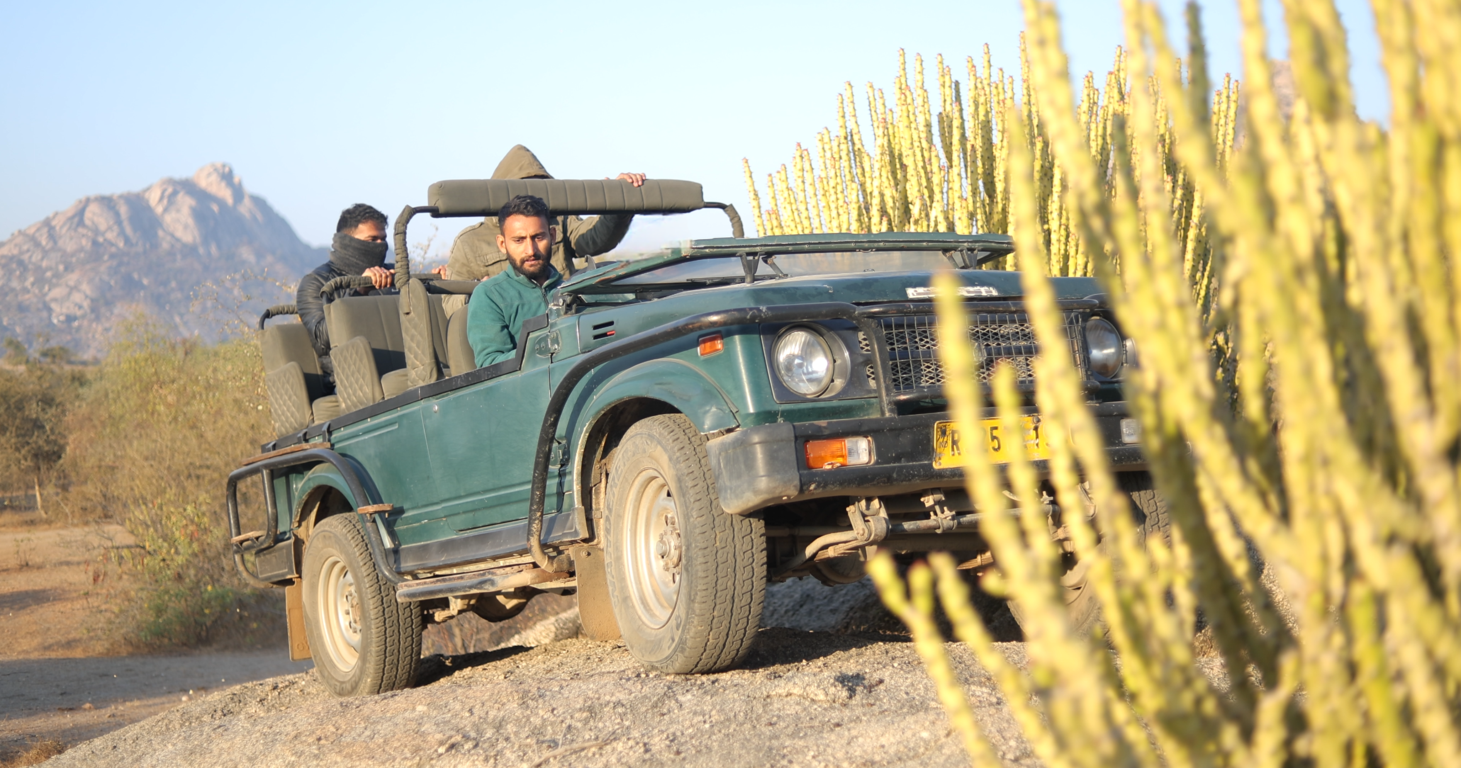
Leopard Safari in Jawai Where the Wild Comes Alive
The most common question visitors ask is, “Will I see a leopard in Jawai?”
And the honest truth is: Jawai is one of the only places in India where leopard sightings are almost guaranteed.
Here, leopards live freely among massive granite hills, ancient caves, Rabari shepherd settlements, and calm riverbanks — a landscape where wildlife and humans coexist in harmony. This is what makes Jawai unlike any other leopard destination in the country.
Sunrise Leopard Safari
Calm and peaceful. Often you’ll spot cubs with their mothers, crocodiles basking, birds flying low over the dam, and fresh tracks in the soft morning light. The golden glow is perfect for photography.
Sunset Leopard Safari
The time when Jawai truly comes alive. The sun dips behind the hills, shadows move, and then suddenly a leopard steps out from the rocks. Pure adrenaline, drama, and thrill.
Exclusive Full Day Leopard Safari Tour
For those who want to experience everything.
Leopards, crocodiles, birds, Rabari culture, hidden caves, valley viewpoints, village life, and even a proper lunch or high-tea setup in the wild. It’s the most immersive Jawai experience possible.
Other wildlife you may encounter:
- Hyenas
- Wolves
- Foxes
- Jungle Cats
- Porcupines
- Nilgai (Blue Bull)
- Crocodiles
- 150+ bird species
Birdwatching & Crocodile Spotting. A Different Side of Jawai
At Jawai Bandh (dam), the sky fills with wings during winter. Thousands of migratory birds arrive between October and March, making it a paradise for bird lovers and photographers.
Birds You’ll See
- Flamingos
- Bar-headed Geese
- Painted Storks
- Demoiselle Cranes
- Eagles
- Pelicans
- Herons
What about Crocodile Spotting ?
Jawai is known for its massive Mugger Crocodiles resting along the waterbanks. Watching them slide silently into the water is a thrilling moment every visitor remembers.
Jawai Bandh The Heartbeat of the Region
Jawai Bandh is not just a water reservoir; it’s the lifeline of the entire region.
It supports wildlife, villages, farming land, and serves as the perfect spot for sunrise, sunset, and landscape photography.
Why Jawai Bandh is Special ?
- Birdwatching paradise
- Stunning panoramic landscapes
- Crocodile habitat
- Perfect for slow evenings, photography & peaceful breaks
Rabari Village Experience Meet the People of Jawai
The Rabari community has lived in these hills for centuries. Their vibrant turbans, deep cultural roots, and simple lifestyles make them an important part of the Jawai ecosystem.
Village Activities
- Walk through Rabari settlements
- Learn how they coexist peacefully with leopards
- Enjoy chai with the locals
- Experience folk songs, handicrafts, and rural traditions
This human wildlife harmony is what makes Jawai globally unique.
Temples Hidden in the Hills Culture Meets Wilderness
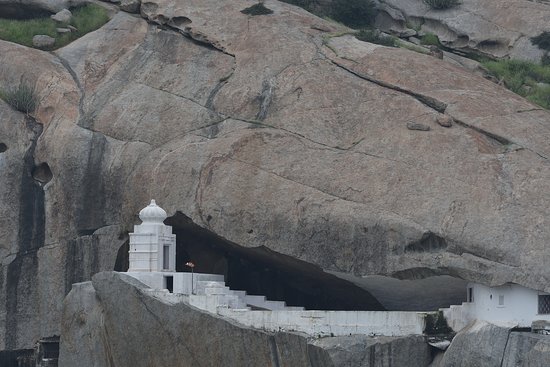
Jawai has several ancient cave temples, many built inside granite formations.
Must-Visit Temples
Kambeshwar Mahadev Temple – A peaceful Shiva temple surrounded by wild landscapes.
Devgiri Temple – A cave temple where locals regularly visit, often spotting leopards resting in nearby hills.
These temples add spiritual depth to your Jawai experience.
Sunrises, Sunsets & The Jawai Night Sky
Jawai has one of the clearest skies in Rajasthan, making it ideal for:
Sunrise
Soft mist, glowing rocks, birds in formation.
Sunset
Golden light turning the hills orange and red.
Night
Almost zero light pollution perfect for stargazing & astrophotography.
Adventure Activities Beyond Safari
Horse Riding – Ride through wild trails like the Rabaris once did.
Camel Safari – A slow, traditional way to explore local plains.
Off-Road Jeep Adventure – Massive boulders, steep climbs, and rough terrain perfect for thrill-seekers.
Cycling & Hiking – Discover hidden trails, hilltops, and rugged landscapes.
Jawai Food Experiences
Food in Jawai is not just about taste it’s about the setting.
- Breakfast in the Wild – Parathas, fruits, chai all served under open skies during morning safari.
- High-Tea by the Dam – A table set near the water with light snacks and stunning views.
- Dinner Under the Stars – Local dishes cooked traditionally, served with folk music and bonfire vibes.
Every meal here feels like a celebration.
Best Time to Visit Jawai
- October – April – Perfect weather, migratory birds, excellent leopard sightings.
- May – June – Hot but rewarding leopards and animals gather near water sources.
- July – September – Monsoon greenery, dramatic landscapes, but limited safaris.
Why Jawai Stays With You Forever
Jawai is not just about a checklist it's about moments
A leopard staring at you from the rocks
A Rabari child waving as you pass
A crocodile slipping quietly into the water
A pink sky full of birds
Hills turning golden at sunset
This is Jawai raw, real, and unforgettable.
If you’re ready to discover Jawai the way locals do, I’ll help you plan every detail — from the safaris and viewpoints to the quiet moments that stay with you long after the journey ends.
How Jawai’s Geography Shapes Wildlife Behavior
How Jawai’s Geography Influences Leopard Sightings
Jawai’s landscape is made up of volcanic granite hills, natural caves, open plains, and riverbeds. These formations create ideal shelter for leopards, allowing them to rest inside caves during the day and hunt in the open grasslands at night. The unique mix of rocky terrain and water sources is the reason why Jawai has one of the highest peaceful leopard populations in India.
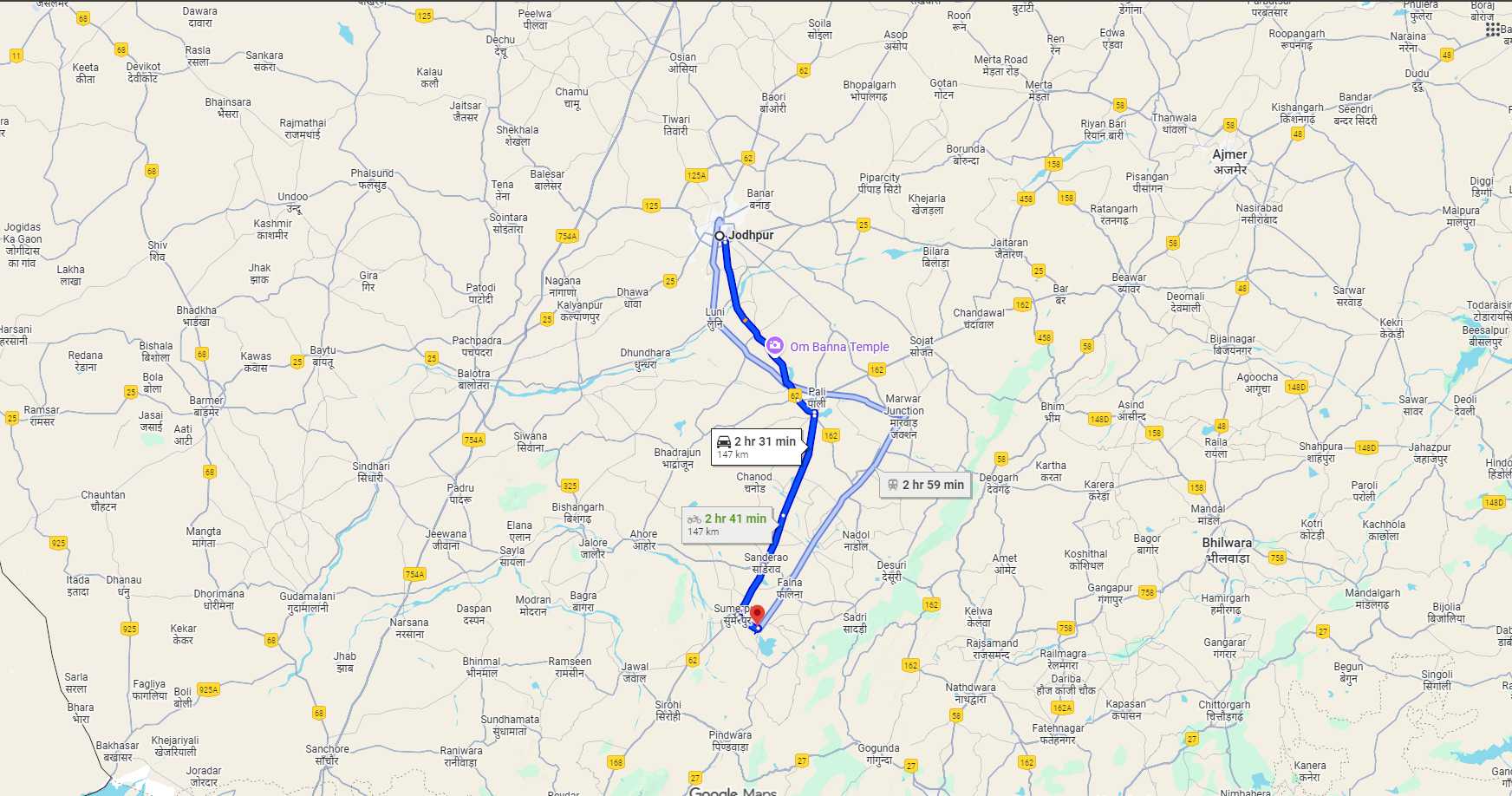
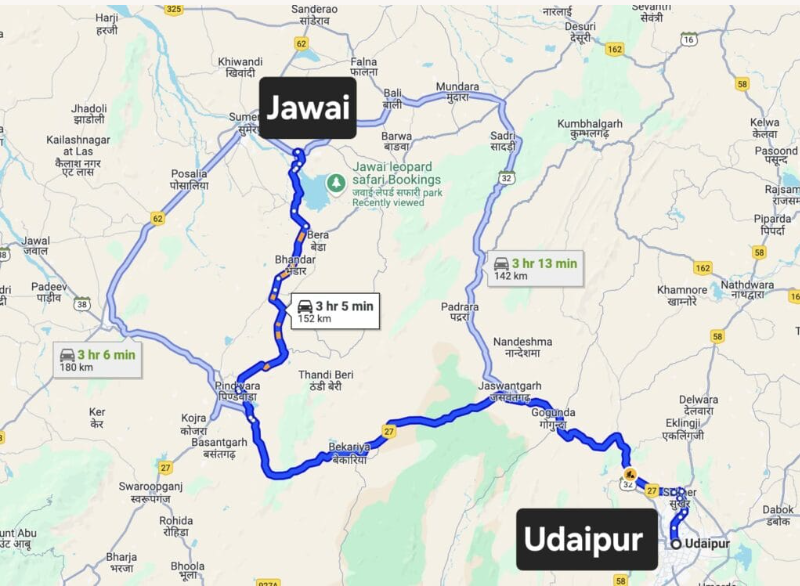
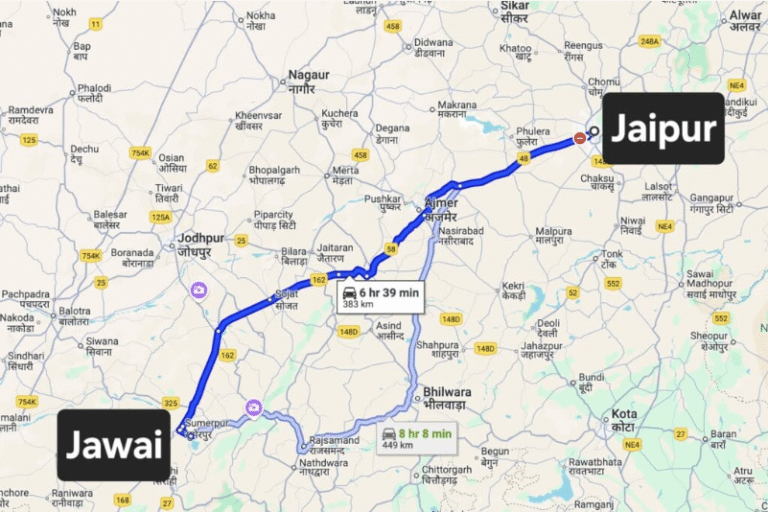
Jawai is easiest to reach from Udaipur, Jodhpur, and Jaipur, with smooth highways connecting directly to the Jawai Bandh area making it a perfect wildlife stop between Rajasthan’s major tourist cities.
Geography and Location
Location: Jawai is located in the Pali district of Rajasthan, positioned between Udaipur and Jodhpur.
Coordinates: Latitude 25.17°N, Longitude 73.36°E
Nearby Cities:
• Udaipur – 150 km
• Jodhpur – 170 km
• Jaipur – 400 km
Best Entry Point: Jawai Bandh Railway Station, well connected by trains and road networks.
HISTORY & MYTHOLOGY
History, Origin & Mythology of Jawai
Jawai is named after the ancient Jawai River, a lifeline that has shaped the culture and landscapes of the region for centuries. What makes Jawai truly unique is the way mythology, wildlife, and tribal heritage naturally blend into one story. Many temples scattered across the granite hills some hidden inside caves are believed to be centuries old and protected by local deities.
The most remarkable part?
Here, the Rabari tribe and leopards coexist peacefully, something rarely seen anywhere else in the world. The Rabaris believe the hills are blessed by Lord Shiva, and the leopards are respected as guardians of the land, not threats.
If you’re seeking a place where nature, spirituality, and ancient customs meet Jawai stands in a league of its own.
VILLAGES OF THE JAWAI REGION
Villages Around Jawai – Culture, People & Heritage
Surrounding the Jawai landscape are a series of scenic, culturally rich villages that reflect Rajasthan’s rural charm. These villages are home to the Rabari tribe, famous for their bright red turbans, silver ornaments, and traditional nomadic lifestyle.
Prominent Villages in the Jawai Region
- Bera – Popular for leopard sightings, granite hills, and the famous “Leopard Hills of Rajasthan.”
- Moru – A peaceful Rabari village surrounded by granite formations and quiet landscapes.
- Kothar – Known for ancient temples, panoramic hilltop views, and scenic sunsets.
- Perwa – A culturally vibrant village recognized for Rabari traditions, cattle herding, and handicrafts.
- Sena – A major wildlife zone offering high leopard-spotting chances and rocky terrains.
- Jawai Bandh Village – Located beside the reservoir; ideal for birdwatching, crocodile spotting, and lakeside views.
- Bisalpur – A tranquil hamlet offering offbeat nature trails and rural experiences.
- Vijaypura – Famous for tribal communities, forest trails, and rugged off-road landscapes.
Activities and Attractions in Jawai
1. Leopard Tracking Experiences
Explore Jawai’s iconic wildlife with guided leopard tracking adventures led by local experts who know every hill, trail, and hiding spot.
Why It’s Special:
- Jawai offers one of the highest natural leopard sighting rates in India.
- Morning safaris provide calm scenery with soft sunlight ideal for photography.
- Evening safaris bring thrilling movements as leopards emerge from rocky caves.
- Off-road routes take you deep into granite hills where leopard families roam freely.
2. Birdwatching & Crocodile Viewing
Jawai is a paradise for bird lovers, wildlife photographers, and nature enthusiasts.
Highlights:
- Over 150+ species of migratory and resident birds.
- Best viewed around Jawai Bandh — flamingos, bar-headed geese, cranes, pelicans, and more.
- Massive mugger crocodiles basking along the reservoir’s edges — a unique sight in Rajasthan.
3. Rabari Cultural Encounters
Meet the Rabari shepherd community of Jawai and see how local life flows naturally with leopards, livestock, and the granite hills.
- Village walks: Stroll through Rabari hamlets, mud homes, and narrow lanes decorated with traditional art.
- Culture & rituals: Learn about their pastoral lifestyle, folk stories, and centuries-old bond with leopards.
- Local interactions: Share chai with families, observe daily routines, and understand village life beyond tourism.
- Handmade crafts: Discover colourful turbans, silver jewellery, and traditional textiles unique to the Jawai region.
4. Photography Tours
Jawai is a natural open-air studio for photographers – from wildlife and landscapes to village life and night skies.
- Wildlife frames: Capture leopards on granite boulders, crocodiles near Jawai Bandh, and herds of herbivores.
- Bird photography: Photograph flamingos, storks, cranes, and other migratory birds along the reservoir.
- Golden hour shots: Use soft sunrise and sunset light for dramatic silhouettes of jeeps, hills, and temples.
- Culture & portraits: Take candid portraits of Rabari shepherds, village children, and daily rural scenes.
5. Scenic & Spiritual Viewpoints
Discover peaceful hilltop spots and ancient temples that offer both stunning Jawai views and quiet spiritual spaces.
- Hilltop viewpoints: Watch the sun rise and set over Jawai Bandh, granite hills, and scattered villages.
- Riverside & dam views: Enjoy calm water, birdlife, and reflections of the hills on Jawai Dam.
- Temple visits: Visit old shrines tucked inside caves and cliffs, where locals come to pray and give thanks.
- Peaceful moments: Ideal for meditation, quiet photography, or simply sitting and taking in the landscape.
6. Village Exploration & Lifestyle Walks
Walk through Jawai’s countryside to experience slow rural life, traditional agriculture, and offbeat village trails.
- Multi-village routes: Explore villages like Bera, Sena, Perwa and more, each with its own character.
- Farms & fields: See seasonal crops, cattle herding, and everyday work in the fields.
- Local markets: Visit small village shops and bazaars to taste snacks and see daily trading.
- Everyday lifestyle: Perfect for travellers who want to understand Jawai beyond just the leopard safari.
7. Adventure Trails & Hill Drives
For thrill-seekers, Jawai’s rugged tracks and rocky hills offer exciting off-road experiences beyond the usual safari route.
- Off-road jeep trails: Drive through rocky hills, dry riverbeds, and narrow countryside paths.
- Granite hill climbs: Experience slow, technical ascents with panoramic views from the top.
- Hidden viewpoints: Stop at lesser-known spots overlooking Jawai Bandh, river valleys, and open grasslands.
- Custom adventure routes: Routes can be planned according to comfort level – ideal for couples, families or groups of friends.
Jawai Bandh – The Heart of Jawai’s Landscape
Jawai Bandh, also known as the Jawai Dam reservoir, is the scenic heart of Jawai.
It is a rare landscape where granite hills, calm water, wild birds, crocodiles, and leopards
all share the same ecosystem. For travellers, photographers, and nature lovers, Jawai Bandh is one of the
most unforgettable places to visit in Jawai.
Why Jawai Bandh Is Special
- Birdwatcher’s Heaven: The reservoir attracts
150+ species of migratory and resident birds including flamingos, bar-headed geese, cranes, pelicans, storks, and herons. - Crocodile Territory: The banks of Jawai Bandh are home to
Mugger crocodiles that can often be seen sunbathing or gliding silently through the water. - Leopard Backdrop: The granite hills around Jawai Bandh form a natural corridor for leopards,
creating a dramatic backdrop for wildlife photography in Jawai. - Iconic Sunrise & Sunset Views: Golden light reflecting on the still water and hills makes Jawai Bandh
one of the best sunrise and sunset viewpoints in Jawai. - Peaceful, Untouched Atmosphere: Wide open skies, fresh air, and very little commercial activity create
a calm, natural environment that feels raw and authentic.
Things to Do at Jawai Bandh
- Sunrise Point: Start your day at the dam with soft early-morning light,
perfect for landscape and bird photography. - Birdwatching Walks: Take an easy walk around the reservoir and spot flamingos, geese, cranes, and other migratory birds.
- Crocodile Spotting: Watch Mugger crocodiles resting on the rocks or sliding into the water –
a highlight for many visitors. - Nature Relaxation: Sit by the water, enjoy the breeze, and take in the views of hills, water, and open sky.
- Photography Sessions: Capture wide-angle shots of the dam, close-ups of birds, and silhouettes of hills at sunset.
Best Time to Visit Jawai Bandh
- October to March: Ideal time for birdwatching at Jawai Bandh when thousands of migratory birds arrive.
- November to February: Cool weather and crystal-clear skies, perfect for sunrise and sunset views.
- Year-Round Crocodile Viewing: Mugger crocodiles can usually be seen in most seasons near the waterbanks.
Why Travellers Love Jawai Bandh
- Safe, peaceful spot for families, couples, and solo travellers.
- One of the most photogenic places in Jawai for both phones and professional cameras.
- A rare combination of water, wildlife, and granite hills in one frame.
- Feels natural and uncrowded – a real break from busy city life.
Frequently Asked Questions about Jawai Bandh & Bird Watching Safaris
-
Is Jawai Bandh open for tourists throughout the year?
Yes, it is open year-round. The best months for bird watching and leopard sightings are October to March due to pleasant weather and migratory bird arrivals. -
What is special about Jawai Bandh for bird watching?
Jawai Bandh has a huge freshwater reservoir and wetlands that attract flamingos, sarus cranes, pelicans, storks, and various migratory/resident birds. -
Can I combine a bird watching safari with a Jawai leopard safari?
Yes, many visitors combine both. You can enjoy a sunrise/sunset leopard safari and add a separate bird watching session at Jawai Dam. -
What is the best time of day for bird watching at Jawai Bandh?
Early mornings and late afternoons provide the best light, cooler temperatures, and higher bird activity near the water. -
How long does a typical bird watching session last?
Usually 2–3 hours, allowing enough time to explore top viewpoints and photograph multiple bird species. -
Do I need a guide for bird watching in Jawai?
A guide is not mandatory, but recommended for spotting more species and reaching the best vantage points. -
What should I carry for a bird watching safari?
Binoculars, camera with zoom lens, hat/cap, sunglasses, light jacket (in winter), comfortable shoes, and water. Neutral-coloured clothing works best. -
Is Jawai Bandh safe for families and kids?
Yes, the area is peaceful and safe when visited with a responsible operator or local guide. -
How far is Jawai Bandh from the main Jawai safari areas?
Most points of Jawai Bandh are 15–30 minutes by vehicle from popular safari zones. -
Can I visit Jawai Bandh only for sunrise or sunset?
Absolutely. Many travellers visit only for sunrise/sunset because the views, colours, and reflections are spectacular even without doing a safari.
Frequently Asked Questions about Jawai Bandh & Bird Watching Safaris
-
Is Jawai Bandh open for tourists throughout the year?
Yes, it is open year-round. The best months for bird watching and leopard sightings are October to March due to pleasant weather and migratory bird arrivals. -
What is special about Jawai Bandh for bird watching?
Jawai Bandh has a huge freshwater reservoir and wetlands that attract flamingos, sarus cranes, pelicans, storks, and various migratory/resident birds. -
Can I combine a bird watching safari with a Jawai leopard safari?
Yes, many visitors combine both. You can enjoy a sunrise/sunset leopard safari and add a separate bird watching session at Jawai Dam. -
What is the best time of day for bird watching at Jawai Bandh?
Early mornings and late afternoons provide the best light, cooler temperatures, and higher bird activity near the water. -
How long does a typical bird watching session last?
Usually 2–3 hours, allowing enough time to explore top viewpoints and photograph multiple bird species. -
Do I need a guide for bird watching in Jawai?
A guide is not mandatory, but recommended for spotting more species and reaching the best vantage points. -
What should I carry for a bird watching safari?
Binoculars, camera with zoom lens, hat/cap, sunglasses, light jacket (in winter), comfortable shoes, and water. Neutral-coloured clothing works best. -
Is Jawai Bandh safe for families and kids?
Yes, the area is peaceful and safe when visited with a responsible operator or local guide. -
How far is Jawai Bandh from the main Jawai safari areas?
Most points of Jawai Bandh are 15–30 minutes by vehicle from popular safari zones. -
Can I visit Jawai Bandh only for sunrise or sunset?
Absolutely. Many travellers visit only for sunrise/sunset because the views, colours, and reflections are spectacular even without doing a safari.