
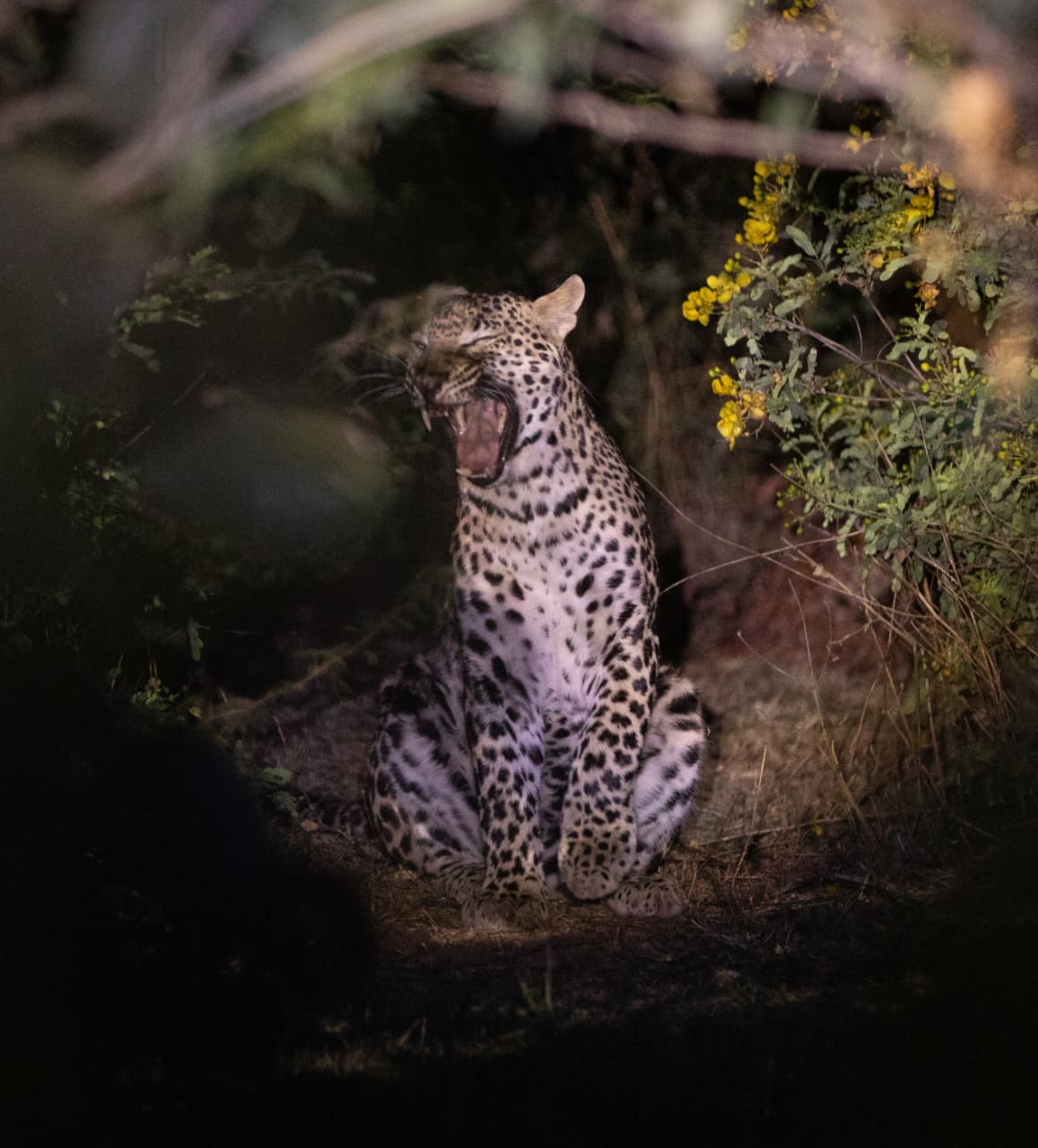
Jawai is a wildlife and rural travel destination around the Jawai River and Jawai Bandh in Rajasthan’s Pali district, near Sumerpur. It is known for leopard sightings among granite hills, the reservoir’s birdlife and crocodiles, and villages where people share a landscape with wildlife. Bera is one of the villages associated with the wider Jawai safari area. Rajasthan Tourism, Government College Sumerpur’s regional history
A visit makes more sense when you understand how these parts fit together. The dam is working water infrastructure as well as a scenic attraction. The hills are animal habitat as well as a dramatic backdrop. The villages are people’s homes and workplaces, with traditions that deserve attention beyond a quick photograph.
This guide explains Jawai’s geography, history, leopard ecology, culture and temples, then helps you plan a visit. If you already have travel dates, explore our Jawai safari packages or contact Safari Jawai for help choosing an experience.
Jawai at a glance
| Question | Quick answer |
|---|---|
| Which state is Jawai in? | Rajasthan, India |
| Which district is Jawai in? | Jawai Bandh and the principal Jawai–Bera safari area are in Pali district |
| What is Jawai famous for? | Leopards, granite hills, Jawai Bandh, birdwatching and rural culture |
| Is Jawai Bandh a natural lake? | No. It is a reservoir created by a dam on the Jawai River |
| What river system does it belong to? | The Jawai River is a tributary of the Luni |
| How many spillway gates does Jawai Dam have? | 13 |
| When was the dam built? | Construction began in 1946; the Census district handbook records completion in 1956–57 |
| How long should you stay? | We suggest two nights for an unhurried first visit |
The dam dates and gate count are supported by the Census of India’s Pali District Handbook and a published engineering study of Jawai Dam. Travel duration is our planning recommendation, not a minimum entry requirement.
Where is Jawai, and how is it different from Bera?
For travel planning, think of Jawai as a wider destination around the river, reservoir, hills and surrounding villages. Jawai Bandh refers to the dam and reservoir; the same name is also used for the nearby railway station. Bera is a village within the broader leopard-viewing landscape, rather than a separate, distant wildlife destination.
Sumerpur is a useful nearby town for orientation. The Rajasthan government’s local history page places it north of the Jawai River in Pali district and identifies the Bera hills with leopard habitat. Regional geography and history
These names matter when booking. Two properties described as being “in Jawai” may have different transfer times and safari meeting points. Share your accommodation’s exact map location when arranging a pickup, rather than relying on the destination name alone.
Why is Jawai famous?
Jawai brings together three experiences that are often planned separately: wildlife watching, rural travel and time beside a large reservoir. Rajasthan Tourism highlights leopard sightings, winter migratory birds and crocodiles around Jawai Dam. Official destination information
The human side is equally significant. Research in Jawai has examined how leopards survive in a landscape occupied and used by people. That makes a visit an opportunity to understand coexistence, including its practical difficulties, rather than simply collect a photograph of a big cat. Wildlife Institute of India research
For your itinerary, give each experience its own time. A leopard safari involves patient observation. A village visit calls for conversation and permission. A reservoir outing rewards a slower pace and binoculars. Trying to compress all three into one short drive can leave little time to appreciate any of them.
Jawai’s history: the landscape, local traditions and the dam
Ancient landscape does not mean a precisely dated ancient settlement
Jawai’s rocks and its human history operate on very different timescales. Geological research on the wider region’s Erinpura granites discusses their Neoproterozoic origins, long before human settlement. However, a regional geological age should not be presented as the proven age of every individual Jawai hill. Research on the Erinpura granites
Similarly, a temple’s association with an epic or local deity is not, by itself, archaeological evidence for its construction date. Jawai’s heritage is best understood through several kinds of evidence: regional history, buildings, religious traditions and the stories communities tell about places.
Marwar and nearby Sumerpur
The local government history records Sumerpur’s establishment in 1912 by Maharaja Sumer Singh of Marwar. It also connects the development of the town with agriculture, commerce and the Jawai water project. This provides documented regional context for a destination now widely associated with tourism. Sumerpur history
When was Jawai Dam built, and who built it?
Construction began in 1946 under Maharaja Umaid Singh of Jodhpur. The Census of India’s Pali District Handbook gives the completion period as 1956–57. This is more precise than treating the different dates repeated online as interchangeable. Pali District Handbook
The dam belongs to Jawai’s modern history. Describing it as an ancient structure would confuse it with the much older landscape and the religious traditions associated with the surrounding region.
Jawai Bandh: river, reservoir, gates and irrigation
What is Jawai Bandh?
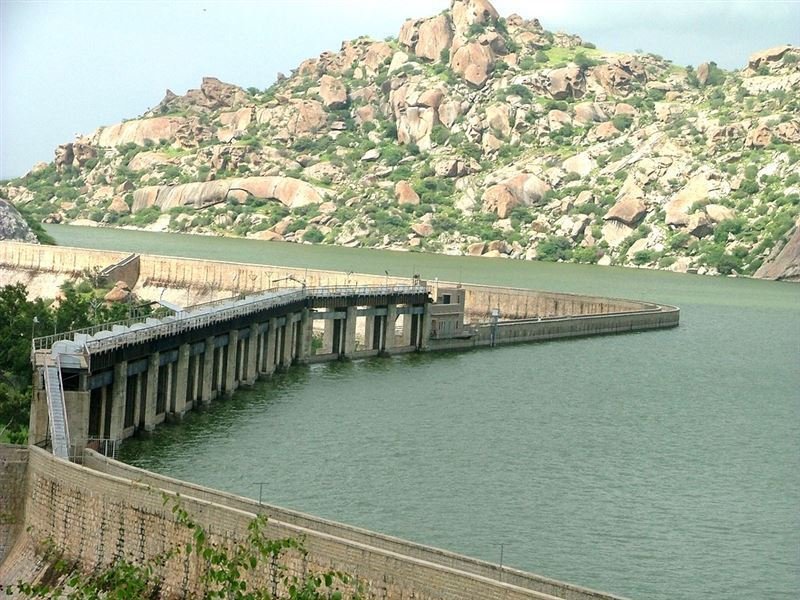
Jawai Bandh is the dam and reservoir on the Jawai River near Sumerpur. The river belongs to the Luni drainage system. Rajasthan Tourism describes Jawai as a major dam of western Rajasthan and identifies its importance for water supply and wildlife viewing. Rajasthan Tourism’s Jawai overview
What do its 13 gates do?
The dam has 13 spillway gates, as listed in the engineering study’s dam-characteristics table. Spillway gates regulate releases from the reservoir; they are not visitor entrances or safari gates. Jawai Dam engineering study
An open-gate photograph describes a particular moment, not a year-round attraction. Do not build a trip around an assumption that the gates will be open. Check local authority updates for current releases and access restrictions, and keep away from restricted structures and downstream release areas.
How does Jawai Dam support irrigation?
Stored water is distributed through a canal network to support agriculture. The Census district handbook records a historical irrigation area of 38,671 hectares, covering a command area of 33 villages in Pali and 24 in Jalore. It also records a main canal of about 23 kilometres. These are historical project figures, not a statement of the acreage irrigated in the current season. Census irrigation record
This distinction helps explain why water matters so much here. A reservoir visit is also a view of infrastructure on which farms and settlements depend. The amount of visible water, the exposed shoreline and the surrounding scenery can change between visits.
Water storage and the Sei connection
The Census handbook lists gross storage of 7,327 million cubic feet and live storage of 6,831 million cubic feet. Storage capacity describes what a reservoir can hold; it does not tell you how full it is today. The government’s Sumerpur history also identifies the Sei project as supporting Jawai’s water supply. Census storage figures, Sei connection
For a reservoir-focused outing, ask us about the Jawai Dam Tour through our contact page. Confirm the route, access and inclusions for your date before booking.
How do leopards live in Jawai?
Shelter among the rocks
Rocky hills, crevices and caves are an important part of Jawai’s leopard landscape. A CSIR-published account describes the region’s relationship between leopard habitat and neighbouring communities. From a visitor’s perspective, this means looking carefully across a slope rather than expecting an animal to stand in an open clearing. CSIR’s account of the leopard hills
Solitary animals with adaptable behaviour
Leopards are generally solitary and territorial, although a female may be accompanied by her cubs. They use a wide range of habitats, and their activity can vary with local conditions. Seeing a leopard resting does not mean it is tame, nor does seeing two animals together mean they live in a permanent group. IUCN SSC Cat Specialist Group
What do Jawai’s leopards eat?
Leopards are carnivores with flexible diets. Across India, recorded prey includes wild mammals as well as domestic animals. Livestock predation is documented in Jawai research, so the region’s coexistence story should acknowledge the economic cost borne by some households. Leopard ecology, Jawai field research
How should you look for them?
Choose a guided drive and allow time to wait quietly. Bring binoculars, keep your camera ready and let the guide choose where it is appropriate to stop. Avoid judging a safari only by how close a vehicle gets to an animal. A distant sighting with natural behaviour can be more rewarding than a crowded encounter.
Our Jawai Sunrise Leopard Safari suits travellers who want a morning outing. The Jawai Sunset Leopard Safari offers an evening option. Exact departure times should be confirmed for your travel date, and sightings cannot be guaranteed.
How do people and leopards coexist in Jawai?
Coexistence means people and wildlife continuing to use a shared landscape. It does not mean there are no losses, risks or disagreements. A Wildlife Institute of India study conducted in 2016–17 examined local attitudes and reported links between tolerance and religious views, alongside livestock losses. Its findings describe that study period, not a current census of every village. Read the WII research summary
Local beliefs and long familiarity with wildlife are part of the story. A CSIR account discusses the cultural and religious relationships associated with leopards in Jawai. These traditions deserve to be understood on their own terms, without assuming every household holds identical views. CSIR: human–wildlife coexistence in Jawai
For visitors, a useful way to support coexistence is to respect both wildlife space and everyday village life. Choose considerate guiding, ask before photographing people, avoid blocking village routes and do not encourage chasing, feeding or crowding animals. Researchers also caution that describing every interaction simply as “conflict” can hide the variety of relationships between communities and wildlife. Conservation discussion on shared landscapes
Rabari culture and village life
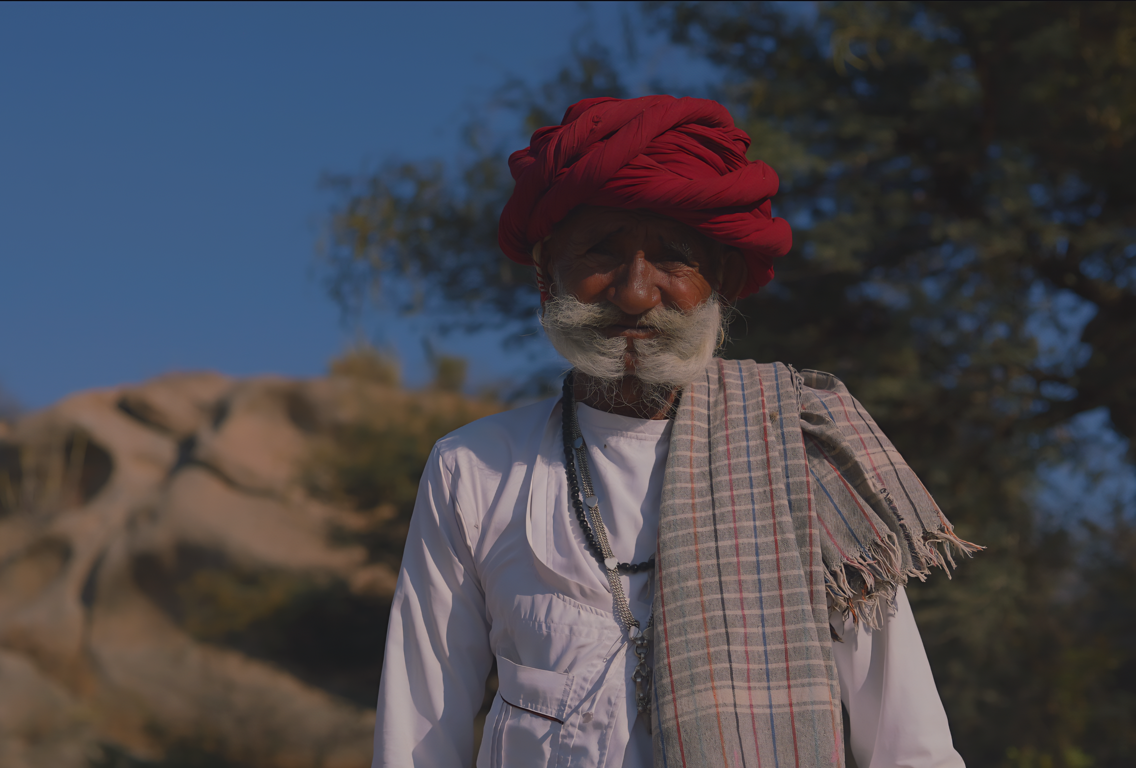
The Rabari community is closely associated with pastoral life in Jawai. Herding traditions and relationships with the surrounding land are central to accounts of the region. Yet a cultural visit should be about the people you meet today, rather than treating a community as a scene that has remained unchanged for centuries. CSIR’s Jawai account
During a guided visit, ask questions that make space for the resident’s own experience: How has work changed? What does the monsoon mean for the household? How are animals cared for? What should visitors understand about the local temple or landscape?
Ask permission before entering private spaces or taking portraits. If a craft demonstration, meal or hosted visit is offered, agree on the arrangement beforehand. Purchasing a service or item directly and respectfully is more meaningful than expecting someone’s time for free.
Food can be part of this exchange. Ask your host which regional dishes are being prepared and explain dietary preferences in advance. A village meal, resort dining experience and safari refreshment stop are different arrangements; confirm what is actually included rather than assuming all are part of a safari ticket.
Famous temples in and around Jawai
Dev Giri Temple
Dev Giri, also written Devgiri, is associated with Ashapura Mata and a rocky hillside setting in the Jawai area. Local visitor information identifies it as a place of worship within the wider wildlife landscape. Plan it as a temple visit, not as a guaranteed leopard-viewing location. Local visitor information on Dev Giri
Kambeshwar Mahadev Temple
Kambeshwar Mahadev is a Shiva temple associated with the hills near the Jawai–Sumerpur–Sheoganj area. It is a cultural stop to discuss with your guide, especially if your group is interested in places of worship. Check the approach, steps and current access before bringing anyone with mobility limitations. Safari Jawai’s temple overview, local excursion information
Nimbo Ka Nath: religious tradition near Falna
On the Falna–Sanderav route, Nimbo Ka Nath is dedicated to Shiva. Rajasthan Tourism recounts a tradition connecting it with Kunti and the Pandavas. This is an epic association and religious belief; it should not be mistaken for a verified construction date. Rajasthan Tourism’s temple account
Ranakpur Jain temples: a separate heritage excursion
For a longer itinerary, consider Ranakpur. Rajasthan Tourism dates its Jain temple complex to the 15th century and identifies its dedication to Adinath. Treat Ranakpur as an additional excursion requiring travel time, rather than a stop automatically included in a Jawai safari. Ranakpur heritage information
At all temples, follow local instructions about clothing, footwear, photography and worship. Ask your host to distinguish what is known from records and what is preserved through oral tradition; both can make a visit richer when clearly explained.
Wildlife beyond leopards
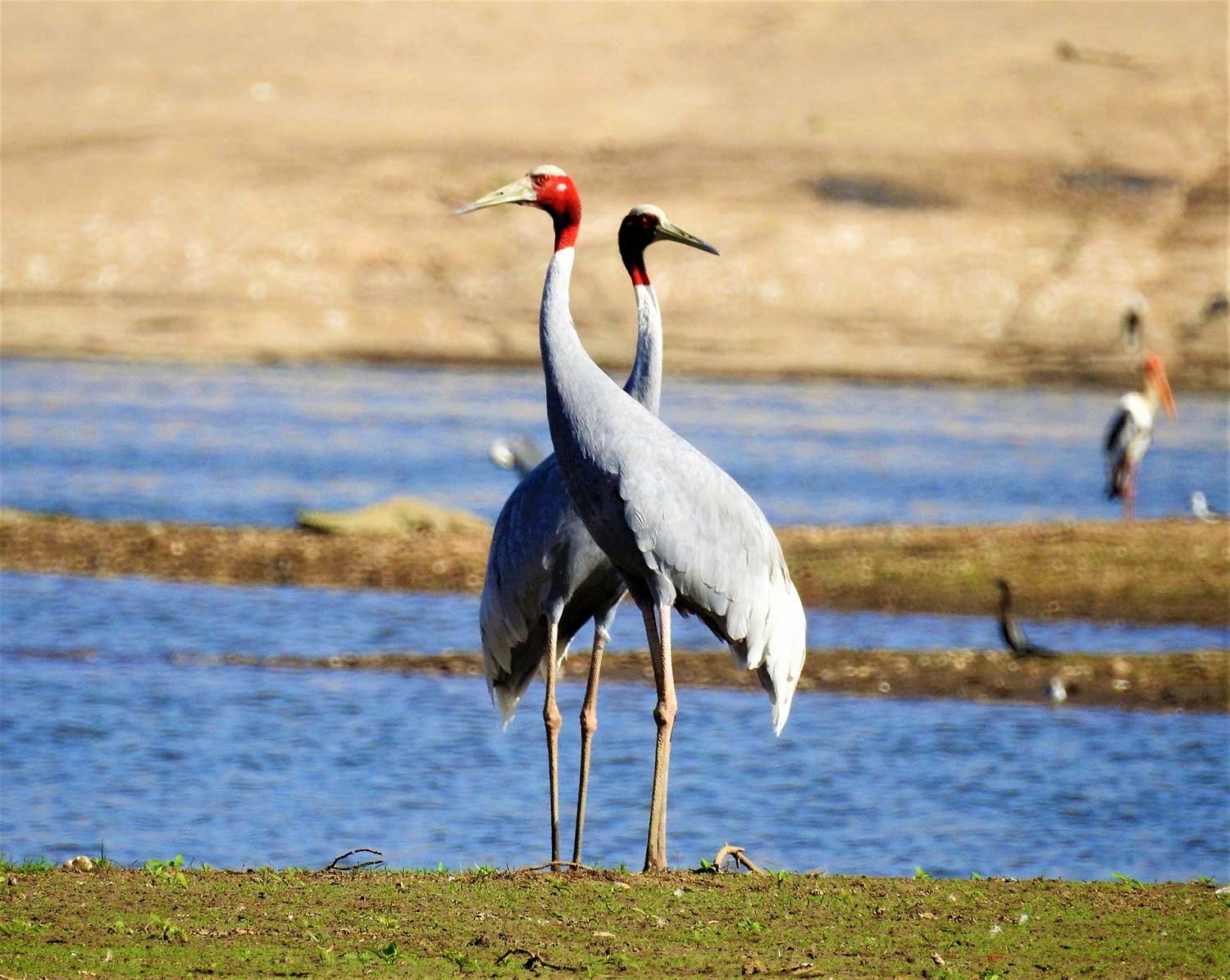
The reservoir offers a different way to experience Jawai. Crocodiles and winter migratory birds are highlighted by Rajasthan Tourism, while government regional information also mentions striped hyenas in the wider area. Species seen on any outing will depend on conditions and chance. Reservoir wildlife, regional wildlife information
Bring binoculars for birdwatching and let the guide help identify what is actually present. A bird list is more useful when tied to the date and location of an observation than when presented as a promise of everything a visitor will see.
Observe crocodiles from a safe viewing point. Do not approach animals along the shoreline, enter the water to photograph them or feed wildlife. If birds move away repeatedly as your group approaches, give them more space.
Best time to visit Jawai
For travellers prioritising comfortable outdoor time, October to March is a practical first choice. Our safari planning information identifies the cooler months as a popular period for visiting, while Rajasthan Tourism highlights winter birdwatching at the reservoir. Safari planning information, seasonal birdwatching
| Season | How to plan |
|---|---|
| October–March | Pack a warm layer for early departures and leave time for reservoir visits |
| April–June | Prepare for heat, carry water and discuss suitable outing times with your guide |
| July–September | Check recent rainfall, route conditions and local access before finalising the itinerary |
Weather comfort and wildlife sightings are different questions. Choosing a cooler month does not guarantee a leopard. Likewise, do not assume a safari route or dam viewpoint is accessible simply because a hotel is accepting bookings.
How to reach Jawai
Jawai Bandh railway station is a useful rail access point; onward transport is still needed to your accommodation or safari meeting point. Travellers also plan road transfers from Udaipur and Jodhpur. Check current train stops or flight options against your actual travel date. Safari Jawai’s travel information
Before booking transport, confirm these four details with your host: your arrival point, accommodation location, safari reporting time and onward departure. This prevents an apparently convenient connection from leaving too little time for the first drive.
For a self-drive trip, navigate to the confirmed property or meeting point, rather than using a generic “Jawai” map pin. Road arrival does not give permission to enter wildlife tracks independently.
A suggested two-night Jawai itinerary
Day one: arrive and settle in. Allow time for check-in, a meal and a briefing. If your arrival leaves a comfortable margin, choose the Sunset Leopard Safari. Otherwise, keep the afternoon relaxed and start wildlife viewing the next morning.
Day two: combine wildlife with one slower experience. Take a morning safari, rest during the middle of the day, then choose a reservoir, village or temple visit according to local access. If you want both morning and evening wildlife drives on the same day, consider the Sunrise + Sunset Leopard Safari Combo.
Day three: depart without rushing. Leave a sensible transfer margin. Add another activity only if it fits comfortably before your train, flight or onward road journey.
This is a suggested itinerary, not a package inclusion list. Compare places to stay in Jawai and confirm separate activities when booking.
Which Jawai safari should you choose?
| Experience | Consider it if… | Product page |
|---|---|---|
| Sunrise safari | You prefer a morning outing and have an early start available | Jawai Sunrise Leopard Safari |
| Sunset safari | An evening drive fits your arrival or travel plans | Jawai Sunset Leopard Safari |
| Sunrise + sunset combo | You want two separate viewing sessions in one day | Sunrise + Sunset Combo |
| Full-day experience | You want a longer dedicated outing and can set aside the day | Exclusive Full Day Leopard Safari |
Check the selected product page for current prices, duration and inclusions. Confirm your safari date, group size, accommodation pickup and any refreshment requirements before payment. Additional viewing sessions provide more time in the landscape, but no package guarantees a sighting.
Responsible travel in Jawai
A good visit leaves space for the animal, the resident and the next visitor. Follow your guide’s instructions, stay in the vehicle unless a permitted stop is confirmed, and avoid loud music or calling to animals. Do not seek out dens, block an animal’s path or ask a driver to pursue wildlife for a closer photograph.
Keep rubbish with you, respect private land and observe reservoir barriers. At village and temple stops, ask before taking photographs. When choosing an operator, ask how guides manage distance from wildlife and how local residents participate in the experience.
Our things to do in Jawai guide can help you plan time beyond safari drives. For practical booking details, see our Jawai leopard safari guide.
Frequently asked questions about Jawai
What is the difference between Jawai and Jawai Bandh?
Jawai is the broader travel destination around the river, hills and villages. Jawai Bandh specifically refers to the dam and reservoir, although the name also appears in the local railway station’s name.
Is Jawai a national park?
Jawai is not a national park. Rajasthan Forest Department records identify Jawai leopard conservation reserves. The wider tourism area includes villages and other land uses, so access rules depend on the particular place and route. Rajasthan Forest Department record
Are Jawai’s leopards tame or harmless?
No. They are wild predators. Their presence near people does not make close approaches safe. Watch with a responsible guide and give animals space to move away.
Is a leopard sighting guaranteed?
No. Wildlife moves freely, and sightings depend on animal behaviour and conditions. Choose a safari for the experience of observing the landscape and its wildlife rather than a promise of a particular encounter.
Are dam gates and safari entry gates the same thing?
No. Jawai Dam’s spillway gates control water releases. A safari reporting point is an arrangement for meeting your guide and vehicle. Confirm that meeting point separately when booking.
Can I combine a safari with a temple or village visit?
Yes, these can be planned as separate parts of a trip, subject to access and availability. Confirm the route, time and any additional cost; do not assume they are included with every leopard safari.
Is one day enough for Jawai?
One day can work for a focused outing. We suggest two nights if you want time for wildlife drives, a slower cultural or reservoir visit and comfortable transfers. Choose according to your interests and arrival times.
How do I book with Safari Jawai?
Open the relevant safari product above, check the current details and select your travel date during booking. For help with the choice, accommodation location or a customised plan, contact Safari Jawai.
Plan your Jawai visit
Start with your dates, the number of people travelling and the time you can comfortably spend outdoors. Then choose the safari and any additional experiences around that plan.
Explore Jawai safari packages or contact Safari Jawai to plan your trip. Tell us whether your main interest is leopard photography, the reservoir, temples or a slower family visit so we can help you choose a suitable itinerary.